The significance of using chiaroscuro in self-portrait painting
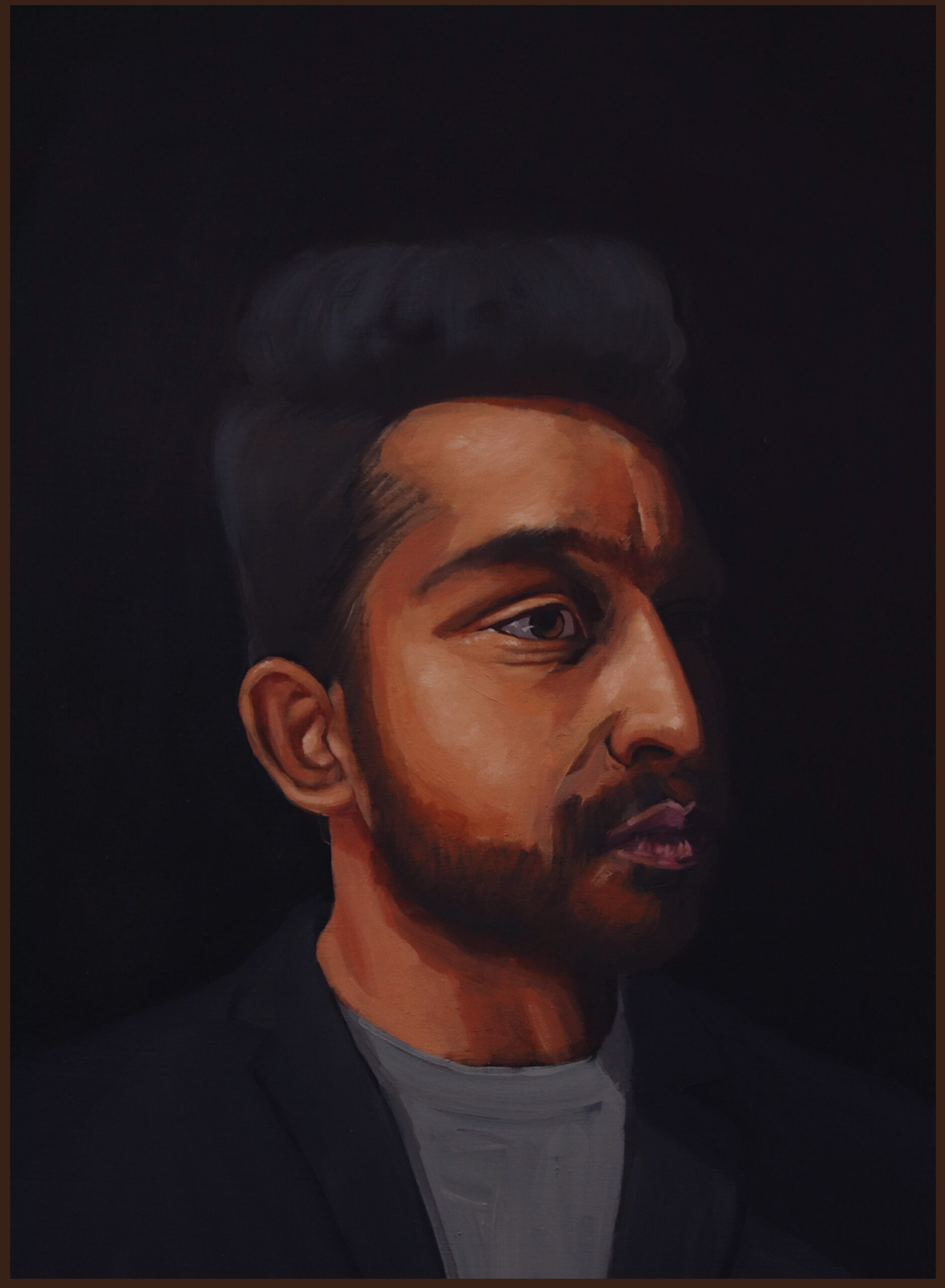
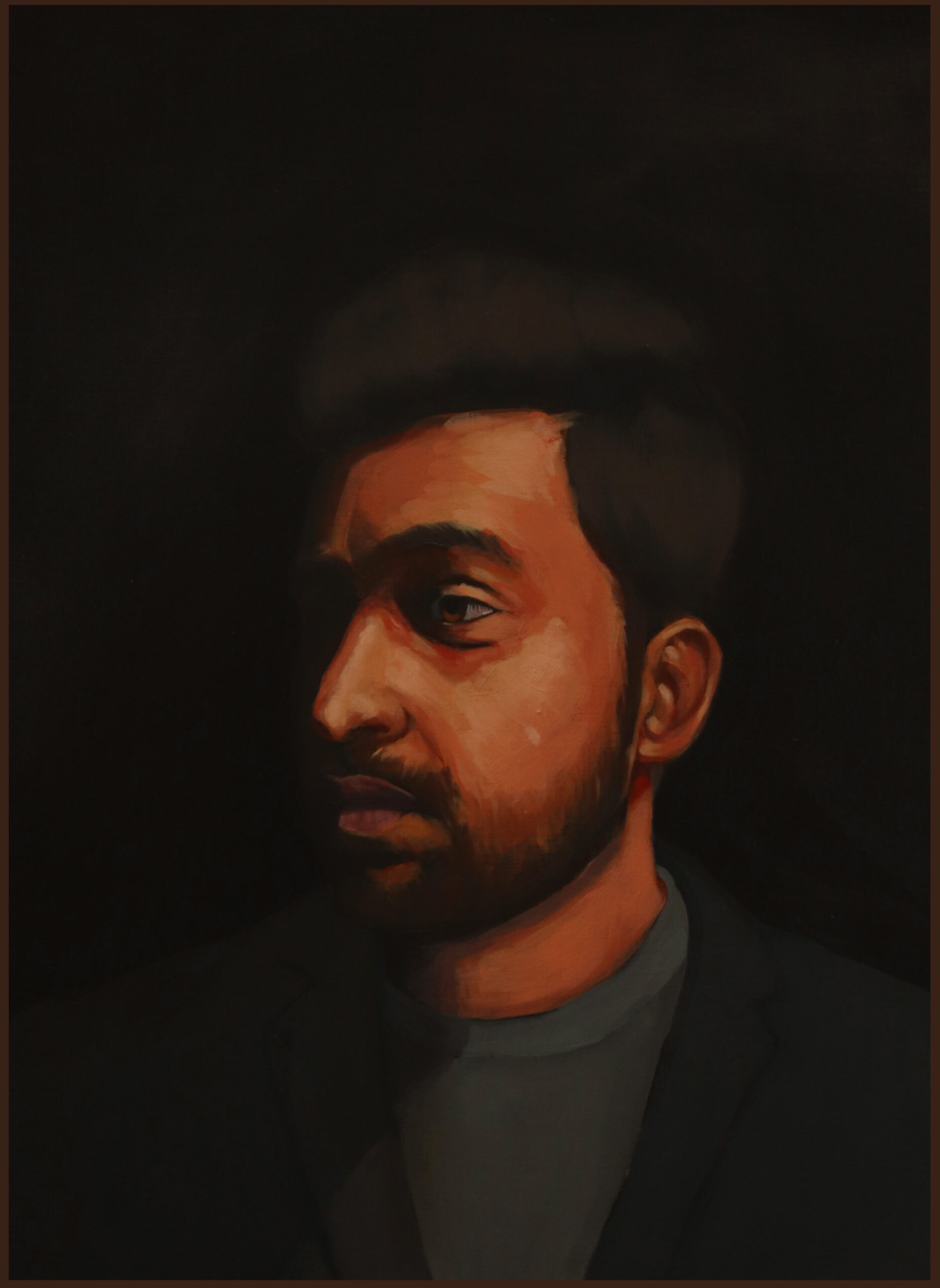
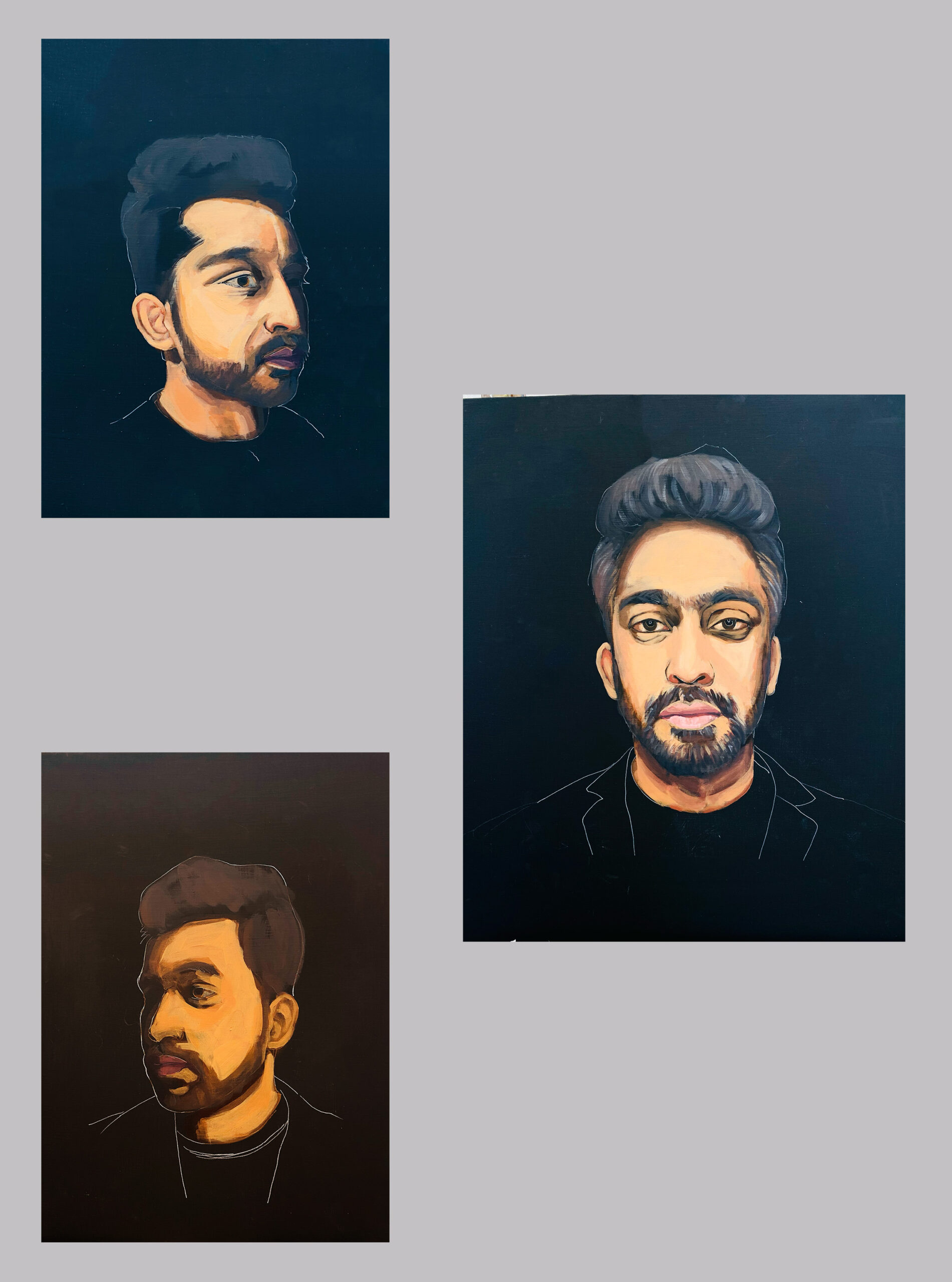
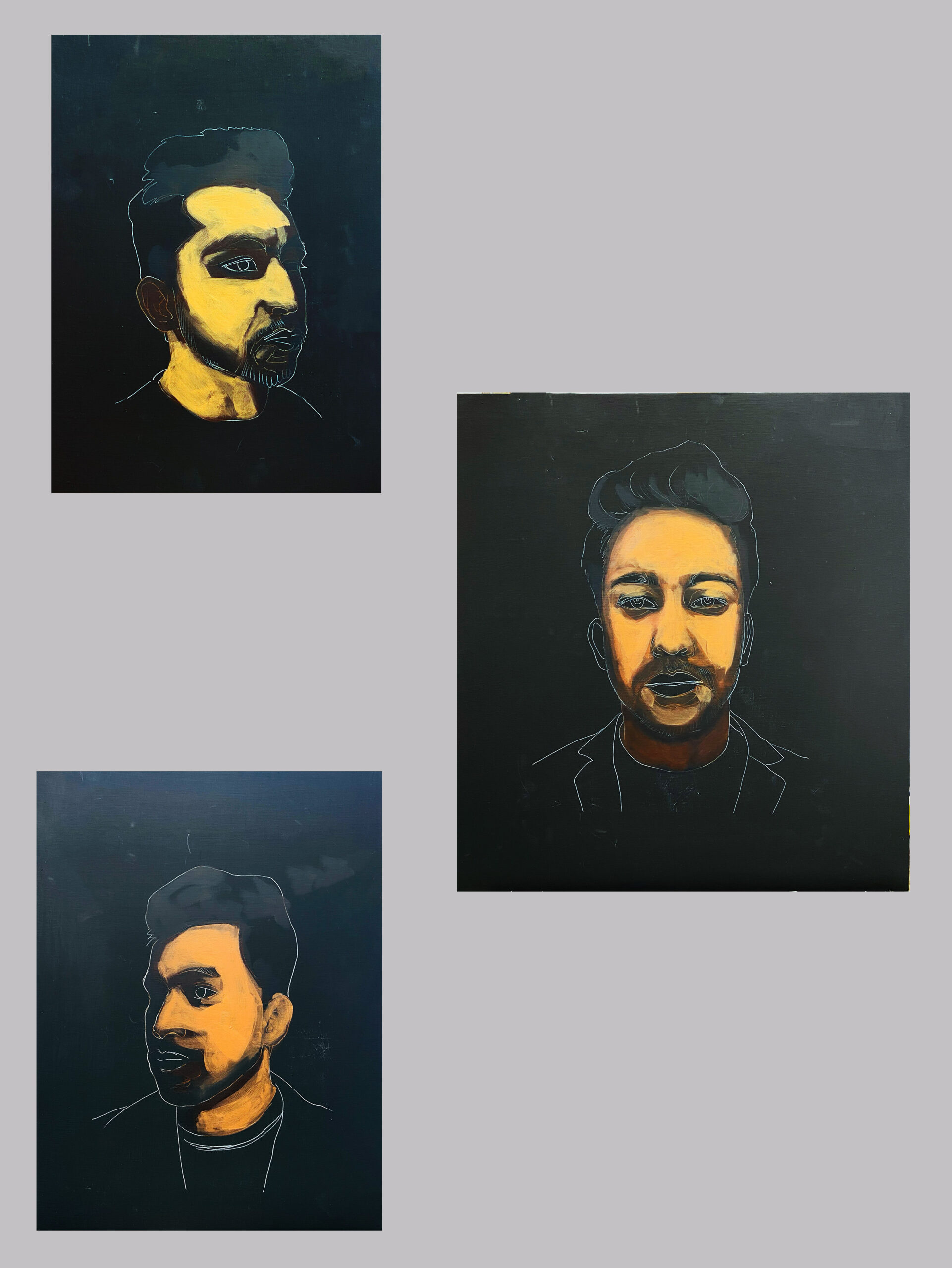
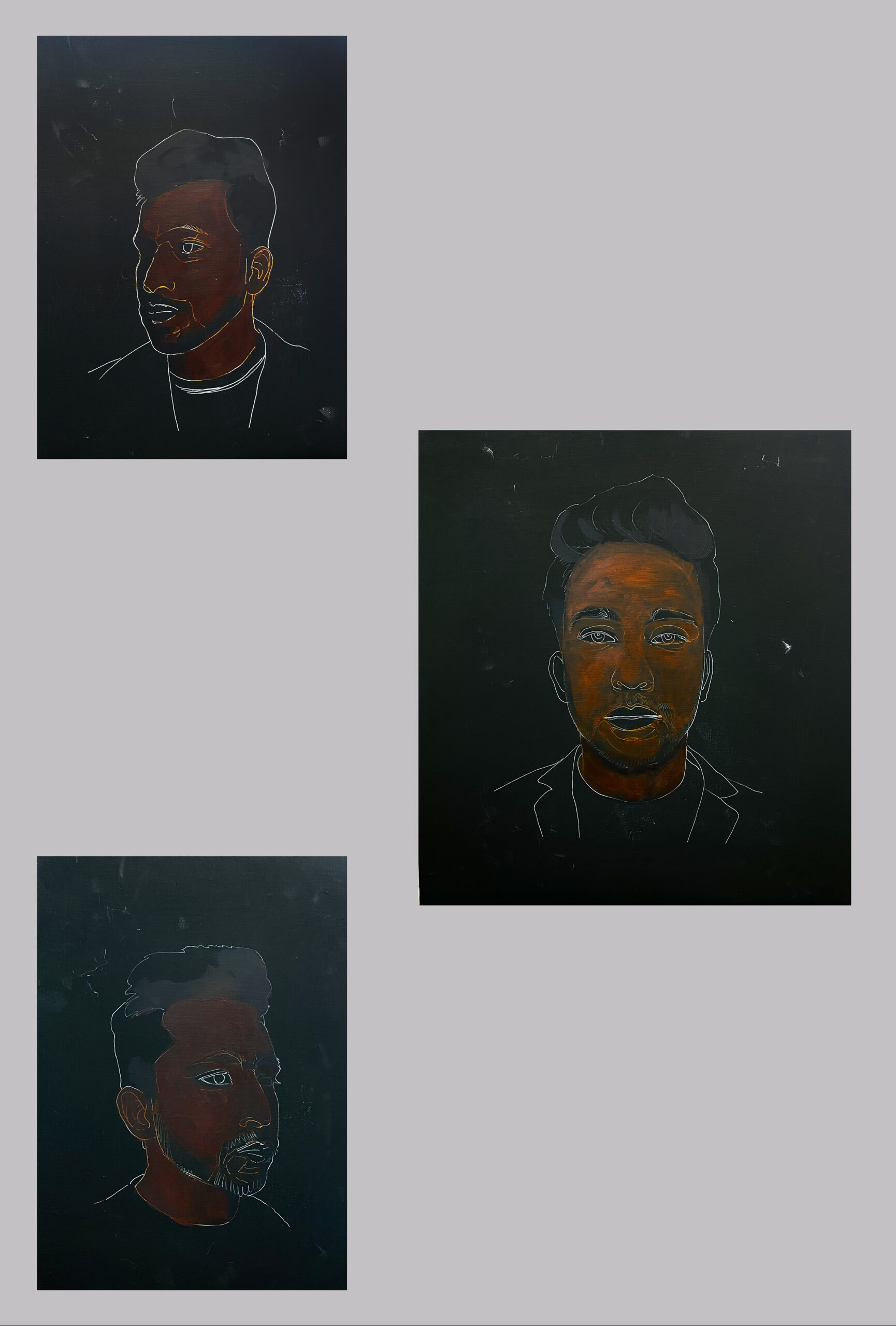
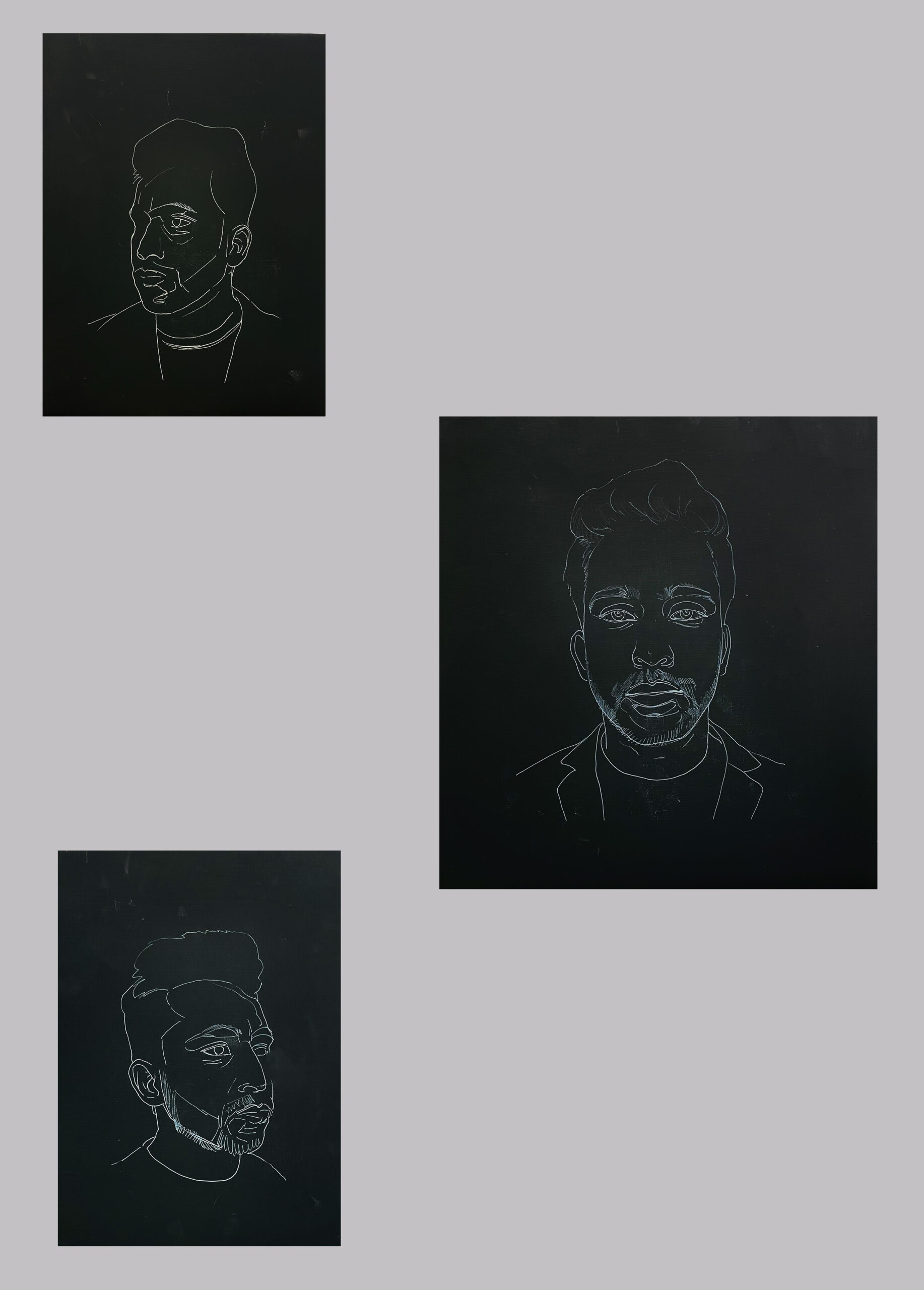
This self-portrait is part of a series of three experimental works inspired by the Baroque tradition of chiaroscuro, with conceptual and stylistic influence drawn particularly from Rembrandt and Caravaggio. It represents a fusion of classical visual language and contemporary personal narrative, exploring identity through the interplay of light and shadow.
The technique of chiaroscuro, historically developed during the Baroque period, is central to the painting’s visual and emotional impact. In this piece, light is not merely a physical illumination, but a symbolic tool—used to create form, dimension, and psychological depth. Shadows wrap around the figure in a way that conceals and reveals simultaneously, reflecting the layered complexity of human introspection.
The painting demonstrates a research-driven approach to visual storytelling. I studied how Rembrandt softened shadows to convey inner conflict, and how Caravaggio’s tenebrism intensified drama. In my own interpretation, I balance these influences to create a spatial narrative where light acts as a voice of memory, and shadow embodies silence and vulnerability.
Rather than directly replicating Baroque aesthetics, this work bridges past and present, incorporating modern realismwith classical techniques. The bold contrast and limited palette serve to heighten emotional resonance, while the meticulous rendering of form roots the work in disciplined observation.
Symbolic elements are deliberately understated: the absence of elaborate props or backdrops focuses attention on the face as a landscape of emotion, encouraging the viewer to search for meaning in the eyes, gesture, and stillness. The painting is a personal revelation, yet designed to evoke universal contemplation—of identity, mortality, and perception.